How to Detect Mold in Your Orlando Home: 2026 Complete Guide
Living in Orlando means dealing with heat, humidity, and the perfect conditions for mold growth. Learn how to spot hidden mold before it becomes a serious problem—and when to call in certified professionals.
If you're a homeowner in Orlando, you already know that Florida's climate isn't just tough on your AC bill—it's a paradise for mold. High humidity, afternoon thunderstorms, and year-round warmth create the perfect breeding ground for hidden mold growth that can damage your property and harm your family's health. That's why professional mold removal services are essential for Central Florida homeowners.
The problem? Most mold grows where you can't see it. Behind walls, under flooring, inside HVAC ducts, and in crawl spaces—these are the places where moisture lingers and mold thrives silently for months before showing visible signs.
In this guide, we'll walk you through exactly how to detect mold in your Orlando home, what warning signs to look for, and when it's time to bring in professional mold inspection services.
Why Orlando Homes Are at High Risk for Mold
Orlando's subtropical climate is beautiful—but it's also relentless. With average humidity levels between 70-90% during summer months and frequent rain year-round, your home is constantly fighting moisture intrusion.
Here's what makes Central Florida homes especially vulnerable:
- Daily afternoon storms that dump 1-2 inches of rain in minutes, overwhelming drainage systems
- Hurricane season (June-November) bringing wind-driven rain through roof vents and window seals
- Year-round HVAC use creating condensation in ductwork and drain pans
- Warm temperatures that never drop low enough to slow mold growth cycles
- Older homes with outdated ventilation and plumbing prone to slow leaks
⚠️ Mold Can Start Growing in Just 24-48 Hours
After water damage from a storm, leak, or flooding, mold spores can begin colonizing damp surfaces within 1-2 days. That's why fast detection and response are critical in Florida's humid climate.
7 Early Warning Signs of Mold in Your Home
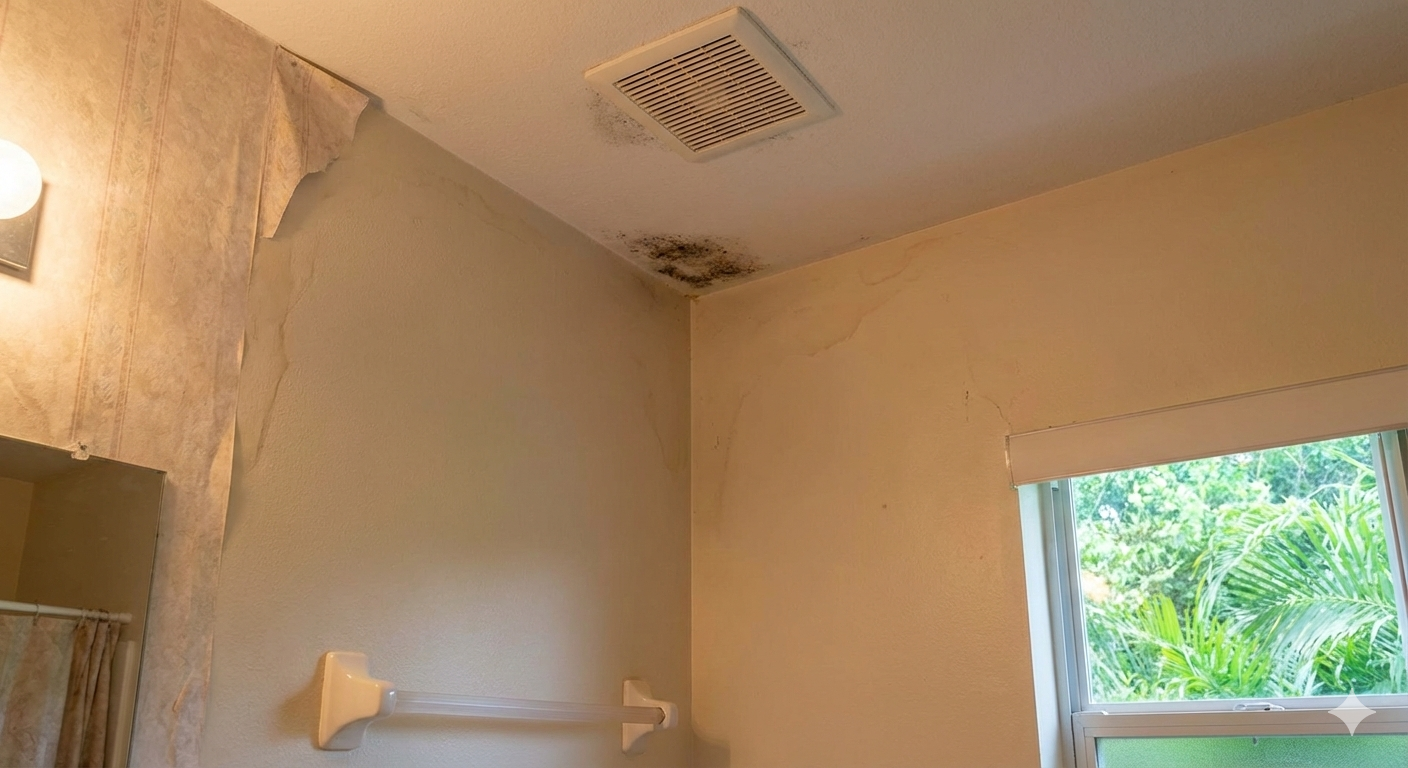
Most homeowners don't spot mold until it's visible—but by then, the problem has often spread behind walls or into HVAC systems. Here are the early warning signs that Orlando residents should never ignore:
1. Musty or Earthy Odors That Won't Go Away
If you smell something that reminds you of wet soil, old books, or a damp basement—even after cleaning—that's often the first sign of hidden mold growth. The smell comes from microbial volatile organic compounds (MVOCs) released as mold digests organic materials.
Where to check: Bathrooms, laundry rooms, under sinks, closets, and near AC vents.
2. Visible Water Stains or Discoloration
Yellow, brown, or rust-colored stains on ceilings and walls indicate past or ongoing water intrusion—a red flag for mold growth behind the surface. Even if the stain looks dry, moisture could still be trapped inside the wall cavity.
Common locations: Ceiling corners near bathrooms, around windows, below roof lines, and behind refrigerators.
3. Peeling, Bubbling, or Cracking Paint
Paint doesn't just peel on its own. When moisture gets trapped behind drywall, it causes paint and wallpaper to bubble, crack, or peel away. This is especially common in Florida homes after heavy rain or plumbing leaks.
4. Condensation on Windows or HVAC Vents
Persistent condensation means your indoor humidity is too high—creating perfect conditions for mold. If you see droplets forming on windows, mirrors, or AC vents regularly, it's time to check moisture levels throughout your home.
5. Unexplained Allergy Symptoms That Improve Outdoors
Do you or your family members experience chronic coughing, sneezing, itchy eyes, or sinus congestion that mysteriously improves when you leave the house? Airborne mold spores are a common culprit.
High-risk groups: Children, elderly residents, and anyone with asthma or compromised immune systems.
6. Warped or Soft Flooring
Wood floors that feel spongy underfoot or tiles that crack easily often signal moisture damage underneath. This is especially common near washing machines, dishwashers, and in crawl spaces with poor drainage.
7. Increased Humidity Levels (Above 60%)
Mold thrives when indoor humidity stays above 60%. In Orlando's climate, that can happen year-round without proper dehumidification. A simple hygrometer ($15-30) can tell you if your home is in the danger zone.
Quick Self-Inspection Checklist
- Check under all sinks for leaks or moisture buildup
- Inspect window frames and sills for condensation or stains
- Look behind furniture against exterior walls
- Examine ceiling corners in bathrooms and kitchens
- Test your home's humidity with a hygrometer (aim for 45-55%)
- Smell for musty odors in closets and storage areas
- Check HVAC vents for visible mold or dark staining
Where Mold Hides in Orlando Homes
Visible mold on bathroom tiles is easy to spot—but the real danger comes from hidden mold growing in places most homeowners never think to check.
Behind Walls and Inside Drywall
Slow plumbing leaks or exterior water intrusion from storms can saturate the paper backing on drywall—mold's favorite food source. By the time you see staining on the outside, colonies have often been growing inside for weeks or months.
Inside HVAC Systems and Ductwork
Central Florida homes run AC year-round, creating constant condensation inside ducts and drain pans. Without regular maintenance, mold spores spread through your entire home every time the system runs.
Crawl Spaces and Attics
Dark, humid, and poorly ventilated—crawl spaces and attics are mold magnets. Ground moisture from Florida's high water table can seep up through dirt floors, while roof leaks drip down into insulation.
Under Carpets and Padding
Spilled water, pet accidents, or flooding can soak carpet padding—and because it's hidden beneath the surface, homeowners often don't realize mold is growing until they smell it.
Around Windows and Door Frames
Wind-driven rain during storms can force water through tiny gaps in window and door seals. Over time, moisture accumulates in the framing and creates perfect conditions for mold.
💡 Pro Tip: The 24-Hour Rule
After any water damage—whether from a leak, storm, or spill—you have approximately 24-48 hours to dry affected areas before mold begins growing. Act fast and use fans, dehumidifiers, and proper ventilation.
How Professional Mold Inspections Work
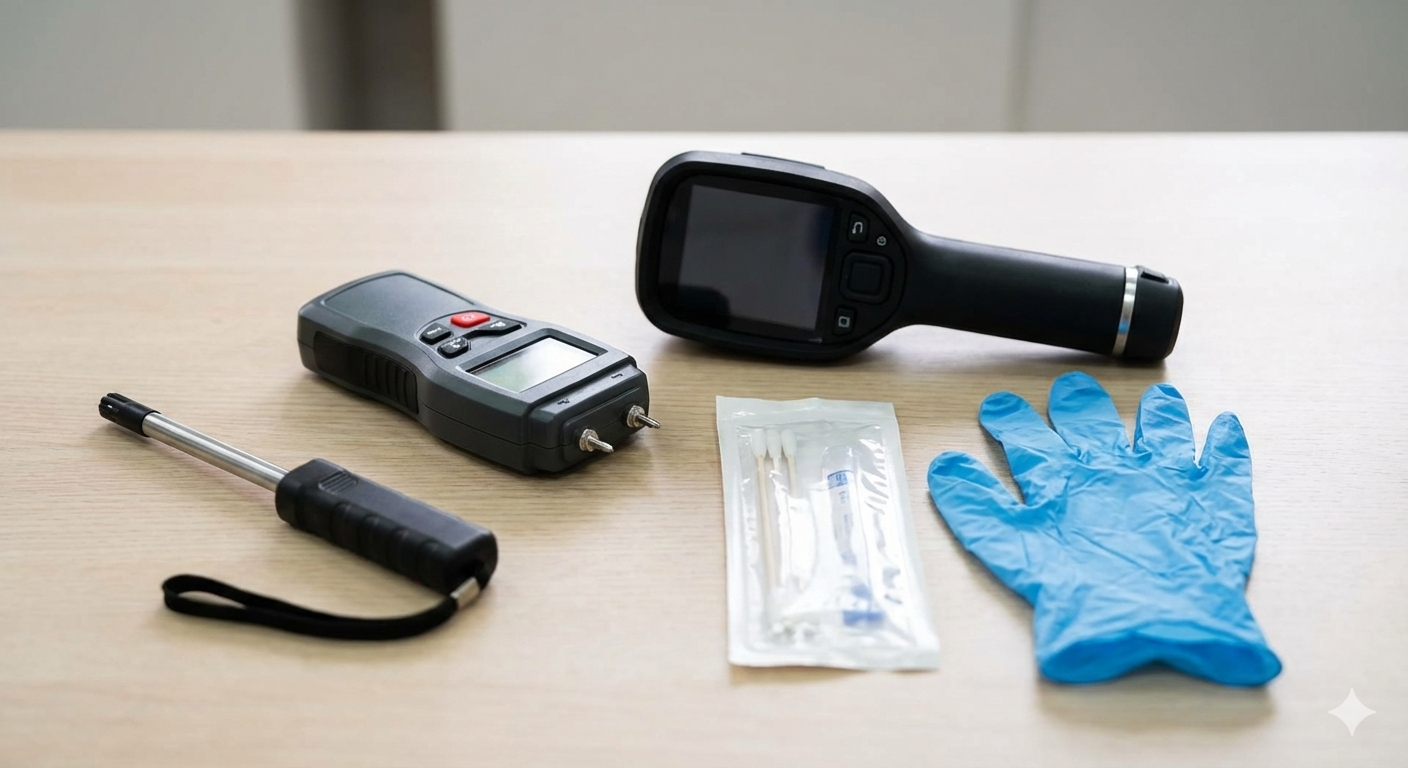
While DIY checks can catch obvious problems, professional mold inspection in Orlando uses advanced technology to detect hidden growth that's impossible to spot with the naked eye.
Here's what a certified IICRC mold inspector does:
Visual Assessment and Moisture Mapping
Inspectors start with a thorough walkthrough, looking for visible signs of water damage, staining, and mold growth. They document everything with photos and notes.
Infrared Thermal Imaging
Thermal cameras detect temperature differences in walls, ceilings, and floors—revealing hidden moisture that you can't see. Cooler spots often indicate trapped water or active evaporation.
Moisture Meter Testing
Pin-type and pinless moisture meters measure the exact moisture content inside building materials. Readings above 16% in drywall indicate conditions favorable for mold growth.
Air Quality Sampling
Inspectors collect air samples from multiple rooms and send them to certified labs for analysis. Lab results show spore counts and identify specific mold species present in your home.
Surface Sampling (When Needed)
If visible mold is present, surface samples (swabs or tape lifts) confirm the species and help determine the best remediation approach.
Detailed Written Report
You'll receive a comprehensive report with lab results, moisture readings, photos, and clear recommendations for remediation—along with estimated costs.
| DIY Inspection | Professional Inspection |
|---|---|
| Visual checks only | Thermal imaging + moisture meters |
| Can't detect hidden mold | Finds mold behind walls and in ducts |
| No lab analysis | Certified lab testing with spore counts |
| Guesswork on severity | Precise measurements and documentation |
| No remediation plan | Clear action plan with cost estimates |
When to Call a Professional Mold Inspector
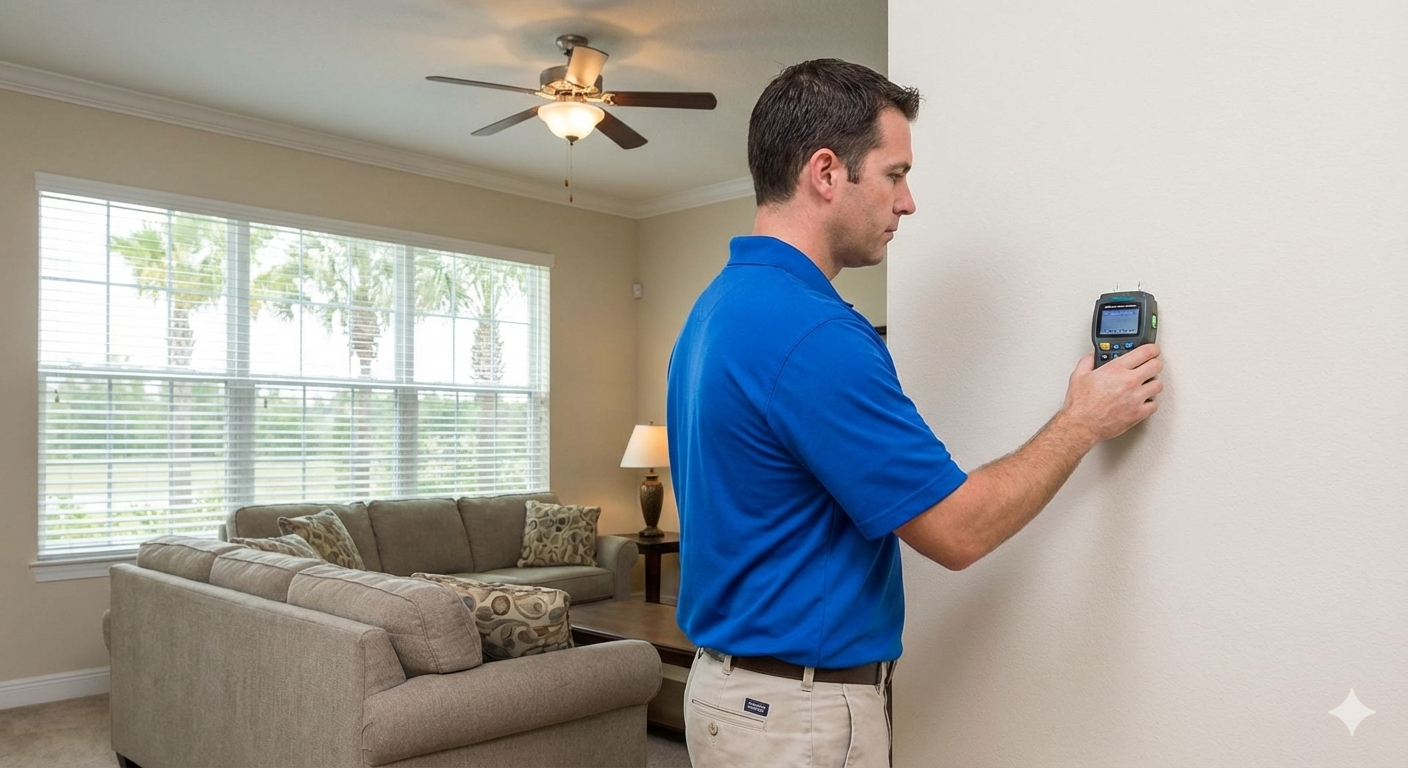
Not every situation requires professional testing—but certain scenarios make it essential:
- After water damage from storms, hurricanes, or plumbing failures
- Before buying a home in Orlando (Florida's humid climate makes pre-purchase inspections critical)
- Persistent musty odors with no visible source
- Health symptoms like chronic coughing, allergies, or respiratory issues that improve outdoors
- Visible mold covering more than 10 square feet (EPA recommendation)
- After remediation to verify the problem is fully resolved
- HVAC system concerns (moldy smell when AC runs)
- Real estate transactions requiring third-party documentation
Preventing Mold in Orlando's Climate
Detection is important—but prevention is even better. Here's how to keep your Central Florida home mold-free:
Control Indoor Humidity (45-55%)
Use dehumidifiers in high-moisture areas like bathrooms, laundry rooms, and closets. Run your AC consistently rather than turning it off completely when away.
Fix Leaks Immediately
Even small drips under sinks or around windows can create major mold problems in Florida's humidity. Repair plumbing leaks and roof damage as soon as you spot them.
Improve Ventilation
Run exhaust fans in bathrooms and kitchens for at least 15 minutes after showers or cooking. Ensure attics and crawl spaces have proper airflow.
Maintain Your HVAC System
Change filters every 30-60 days, clean drain pans regularly, and schedule professional HVAC inspections twice yearly. Mold in your ductwork spreads spores throughout your entire home.
Monitor After Storms
After heavy rain or tropical storms, inspect window seals, roof flashing, and door frames for water intrusion. Dry any wet areas within 24 hours.
Why Fast Action Matters
In Orlando's climate, mold doesn't wait. What starts as a small leak or damp spot can become a widespread contamination problem within days—especially during summer's peak humidity.
Beyond property damage, prolonged mold exposure can cause:
- Chronic respiratory problems
- Worsened asthma and allergies
- Sinus infections and headaches
- Skin irritation and rashes
- Fatigue and brain fog
The longer mold grows undetected, the more expensive and extensive remediation becomes. Early detection through regular self-checks and professional inspections saves thousands in repair costs—and protects your family's health.
Suspect Mold in Your Orlando Home?
Get a professional mold inspection from Orlando's certified specialists. We use advanced thermal imaging and lab-grade testing to detect hidden mold—and provide clear solutions.
📞 Call (407) 555-0123 for Inspection Learn About Our Inspection ProcessLiving in Orlando means accepting that moisture and mold are constant challenges—but it doesn't mean accepting unhealthy indoor air. By learning to recognize early warning signs, conducting regular self-inspections, and calling in certified professionals when needed, you can keep your home safe, dry, and mold-free.
Remember: If you can smell it, see staining, or notice unexplained health symptoms—don't wait. Mold problems only get worse over time, and Florida's climate accelerates growth faster than almost anywhere in the country.
When in doubt, trust your instincts and get a professional opinion. A few hundred dollars for an inspection can save tens of thousands in remediation and medical costs down the road.
Orlando Mold Fix provides certified mold inspection, testing, and complete remediation services throughout Orlando, Winter Park, Lake Nona, and Central Florida. IICRC certified, EPA approved, and trusted by homeowners since 2009.